Turf in full afternoon sun behaves like any hard surface in Florida: the surface gets hot to the touch. What matters is how the system — face yarn, infill, and shade — manages that heat. Modern materials handle it better than most people expect.
The honest starting point
Artificial grass gets warm in direct sun. So do pool decks, pavers, driveways and sand — the everyday surfaces of a Palm Beach summer. Nobody abandons their backyard pavers in July, and the same logic applies to turf: the question isn't whether the surface warms up, it's how fast it cools and how the surface is built to keep it manageable.
The system matters more than the label
Four parts of an install decide how a hot afternoon feels under your feet:
- Infill choice. Plain silica sand reads warm; coated or organically based infills sit measurably cooler underfoot for pets and kids.
- Yarn construction. Newer face yarns in lighter, multi-tone blends reflect more than the older flat dark-fiber products a lot of buyers remember from the early days.
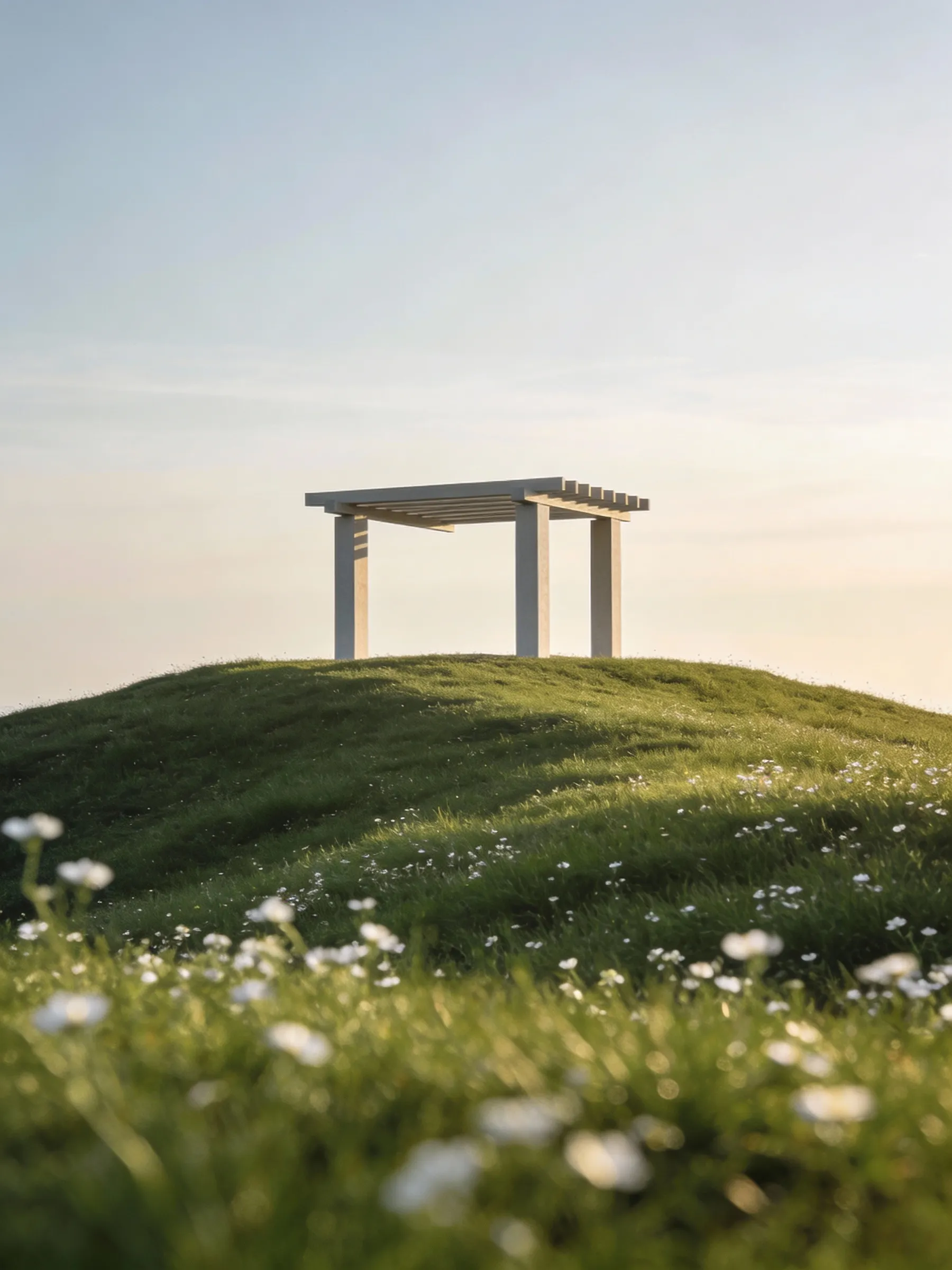
- Shade and layout. The difference between a noon surface and a 4 p.m. surface is bigger than the difference between products — trees, pergolas and east-and-west layouts are part of the design conversation.
- Rinsing. A two-minute rinse drops the surface temperature fast before a kids' play session — the easiest temperature tool there is.
What buyers should ask about
When you quote a project, ask what infill is being specified for sun-exposed zones and pet areas. It's a fair question and a good installer will have an answer rather than a shrug. For most residential yards here, the combination of modern yarns, sensible infill and afternoon shade covers the heat question for daily use.
Designing around the Florida sun
Two layout habits make a measurable difference in how a turf yard feels between noon and sunset. First, orientation: an east- or west-facing lane of shade — a tree line, a house shadow, a pergola — gives the yard a cool hour at both ends of the day. Second, zone separation: put the kids' area and the dog's lounging spot where shade or lighter fibers live, and let the full-sun strips carry the decorative surface. Neither trick costs more than choosing where to put what, which is why we ask about afternoon use when we measure.
The seasonal reality
Palm Beach heat is a design input, not a dealbreaker. The yards that struggle are the ones built like a product catalog — one turf type everywhere, default infill, no shade plan. The yards that work year-round are the ones where the surface, infill and layout were picked for the sun they actually get.